TL;DR
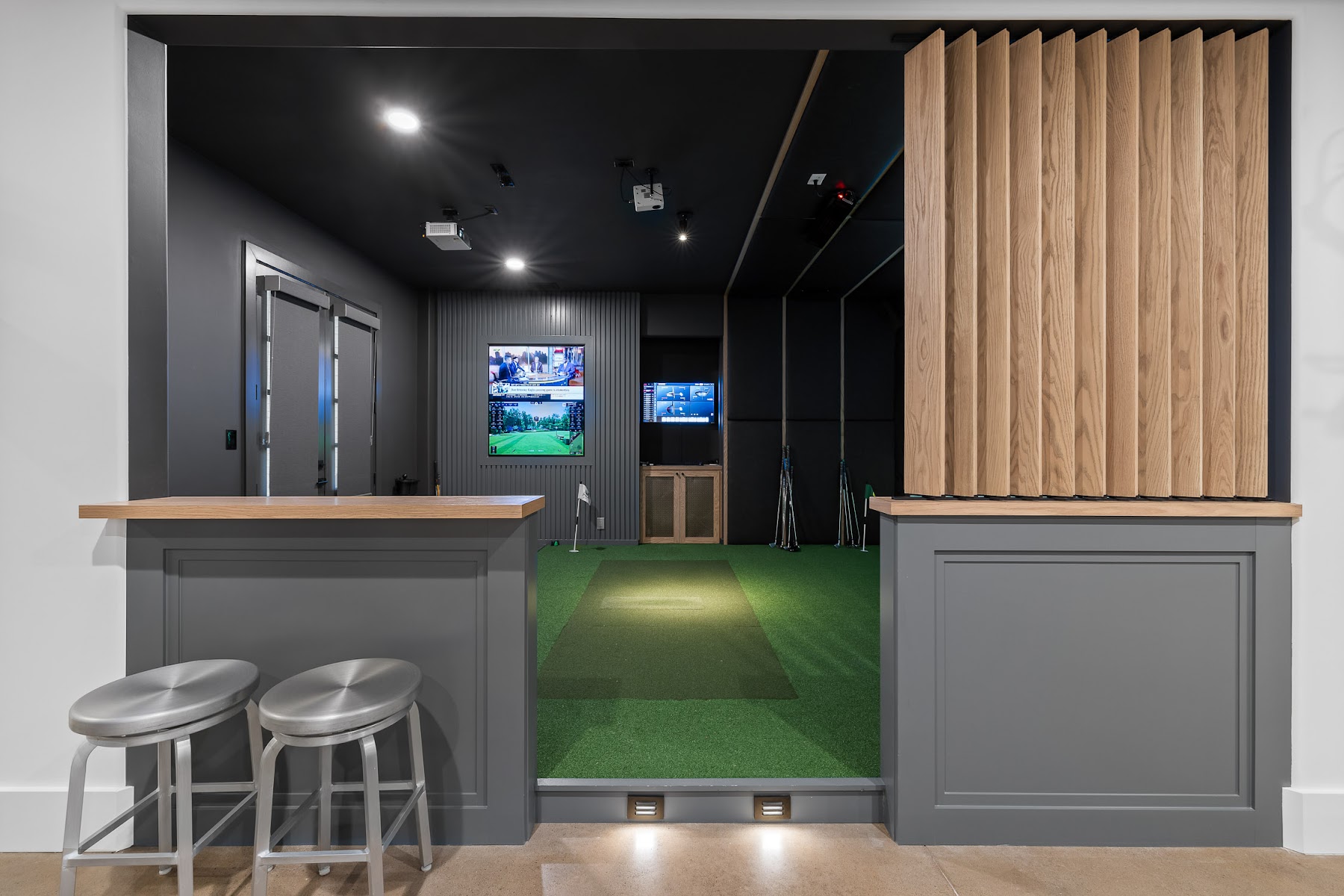
When envisioning a custom golf simulator space, particularly for affluent homeowners or commercial ventures, the scope extends far beyond just the hitting bay itself. A truly exceptional home golf simulator or commercial golf simulator lounge considers the entire environment, making it an inviting space for everyone, including non-golfers or children. This involves thoughtful design elements like comfortable seating, entertainment zones, and even integrated amenities that encourage social interaction and relaxation. From a practical standpoint, a comprehensive, turnkey golf simulator proposal should clearly delineate what the simulator installer provides versus what falls under the general contractor’s purview, such as framing, drywall, electrical, and HVAC. Understanding these divisions upfront, often supported by 3D renderings, is crucial for a smooth installation process and managing expectations.
Lead times can vary significantly, from a few weeks to several months, depending on technology choices and material availability. Furthermore, the timing of the installation is critical; integrating the golf simulator after initial construction elements like framing, electrical, and climate control are in place typically leads to a far more successful outcome than attempting to build around an unfinished shell. For commercial applications, such as hospitality or multi-family residences, an installer with experience in large-scale projects can offer invaluable insights, ensuring the golf simulator room requirements are met while enhancing the overall appeal and value of the property.
Crafting an Engaging Golf Simulator Experience
Cliff: Don’t just go sit at my pool. Now come spend a $150 an hour renting my golf simulator bay, also spending money on food and alcohol while you’re there. People are hanging around longer, dwelling longer. It’s it’s two main elements. There’s the experience experiential element, and there’s the revenue element. And so you can measure both of those. Looking at maybe a condominium, for example, myself, if I was looking at a condominium here in Atlanta and I see two similar condominiums, similar price points, you better believe I’m gonna pick that condo that has the golf simulator, and I would probably be willing to pay a little bit more money for it per month. Now I’ve got attraction of a new resident that I may or may not have gotten before.
Cliff: I’ve gotten, increased monthly rent capabilities. I can up my rates, and I’m probably not gonna leave that condo if a similar condo or a cheaper condo comes up. I’m gonna stay because I’ve got my golf simulator that I’m used to using., I’ve improved the resident experience. I’ve retained my resident in a lot in a bigger way. And now I’ve also said, hey. I can charge more money per night or per month and drive ancillary revenue or ancillary margin through other channels as well. It was a very long convoluted answer to your question, but it’s, you’re improving experience, improving retention, as well as driving better financials
Tyler: Yeah. In any of those channels. And, Cliff, you talked about it from your own personal perspective of, if you were in the market for multiple condos, I think that’s the same type of evaluation that, planners for large corporate retreats, events, meetings, speaker situations, they’re doing that same type of evaluation. Okay? Yes. They obviously need a conference room and certain things in order to put on the main event during the day, but what happens in the evening? Right? What amenities are there that are also interesting and exciting to get people to show up to those conferences and, want to be there? So, I think even again, particularly for that hotel and resort scenario, those types of planners are doing the same type of evaluation you’re doing. And if they’ve got two properties, either one without or maybe they both have, but one has a more elevated experience, then I think that’s going to be heavily on their mind because they’re also thinking about those evening and ancillary amenity activities that folks can do.
Tyler: And I think also just back to this idea on the ROI, you were talking about some of the food and beverage and TREV., the nature of golf is it’s it’s a physical sport.
Like, you build up a sweat. You get tired. You even indoors, right, if you’re really going at it, so you build up an appetite. You get a little more thirsty., just the activity itself. And then it fits into this competitive social space, which just drives people to do it a bit more, bring their friends, have more than just themselves there. All of that adds up, I think, to a lot of that additional revenue potential opportunity, especially in food and beverage to drive more of this.
Cliff: Yeah. The group bookings is really interesting, Tyler, because, that’s that’s a big growth category for hotels and a huge revenue driver. And, the meeting planner I’ve talked to our, previous corporate worlds that I lived in, the meeting planners, they would spend 20 to $30,000 to have an amenity come be set up at a corporate event. Mhmm. We had it at some of our, executive retreats, and they spent 20 or $30 to have a golf simulator come set up in our, for a couple hours. Right? So you better believe they’re gonna spend more for their executive off-site or whatever group meeting they’re planning to come be at your resort, have fun amenities like a golf simulator.
Cliff: We didn’t really touch on the corporate world, but, very similar to guest experience and, guest retention or resident retention, employee satisfaction and employee retention, something like a golf simulator in corporate office. If I get a job offer for a little bit more money per year and they don’t have a golf simulator, I might be like, I’m good where I’m at. Right? So it’s just building that whole employee experience, employee retention, employee satisfaction type program. It’s it’s just another feather in your hat of something that an employee is gonna consider when they’re choosing to come work for you or whether they leave you to go work somewhere else.
Tyler: Clint, just to your point on the corporate stuff, even, bringing clients. ? Like, I know the business where a lot of us like to meet out on the course, and a lot of business can happen there. But as, more and more, four or five, six hours on the course is a much bigger challenge. Bringing them to your office space, still having those same type of conversations on the court talking about business. That’s more and more we’ve seen that of, yes, they wanna offer, office buildings wanna offer that for different offices or different employees Yep.
Tyler: But also have something to encourage clients to wanna physically come and be there and still have the same type of conversations, but, be able to get it done in two, three hours so everybody can still go about other things with as busy as we all are versus, sometimes the challenges of getting the right time out on the course and those things.
Cliff: Yep.
On.
Stephen: Yeah. And I think it’s so interesting.
Stephen: Many of the things that you guys brought up are almost, you have you have food and beverage. You have time spent. You have, people wanting to stay there, you have enjoyment, you have retention. And I think one of the big things that I’m almost seeing is, a through line through almost all of this is it’s almost creating community in and of itself as well, which is a huge a huge factor, obviously, in a lot of these spaces and a lot of even just when we’re talking about marketing, when you can create that sense of community with people who they can feel like it’s either with their friends or with other people they’re meeting there. I know for us on certain sides of things, even whether it’s digital or physical or anything, when you can create a sense of community, you can create a sense of draw that is almost irreplaceable in any metric that can retain revenue.
Stephen: ? Yep. Yeah. Sorry. I don’t wanna beat a dead horse here, but even think, think about the hospitality world and what if you had, a golf league at your series of hotels that corporate business partners and wanna, wanna use. Right? That draw and that community is gonna be huge in that space where you, if I’m a business traveler, I can go play in the golf league at the same branded hotel no matter what city I’m in. You better believe I’m, if I was a if I was that brand good branded person before, I’m really gonna be that branded person going forward because I know I’m gonna get my goals. Because when I travel, right, I, you’re bored. What do you do? You go to dinner and maybe get a drink at the bar.
Navigating the Turnkey Golf Simulator Proposal
Stephen: You go watch TV. You do some work, but you start to have activities to do, and it just makes the experience so much better. Yeah, I think that the draw on the community are really interesting parts of it. I didn’t really, verbalize yet, but good call. Love it. No. Yeah. Going on to the next question here, we’ve covered, obviously, so many different parts of it. We’re getting towards the end. But what should be included specifically in a turnkey proposal for a commercial golf simulator amenity within the specific use cases that we’ve been talking about today. Tyler, you wanna jump in there? You’re really solid in this case.
Tyler: Again, it also depends on the, where where we’re involved in that proposal. Like, are we proposing to the builder or the architect, the owner? But I I think it’s there’s a few different pieces. Right? So if we’re, handling over a turnkey proposal for an owner, we’re we wanna cover a lot of what that simulator space can do for them, but, clearly, what are all the technology pieces that are we’re gonna include.
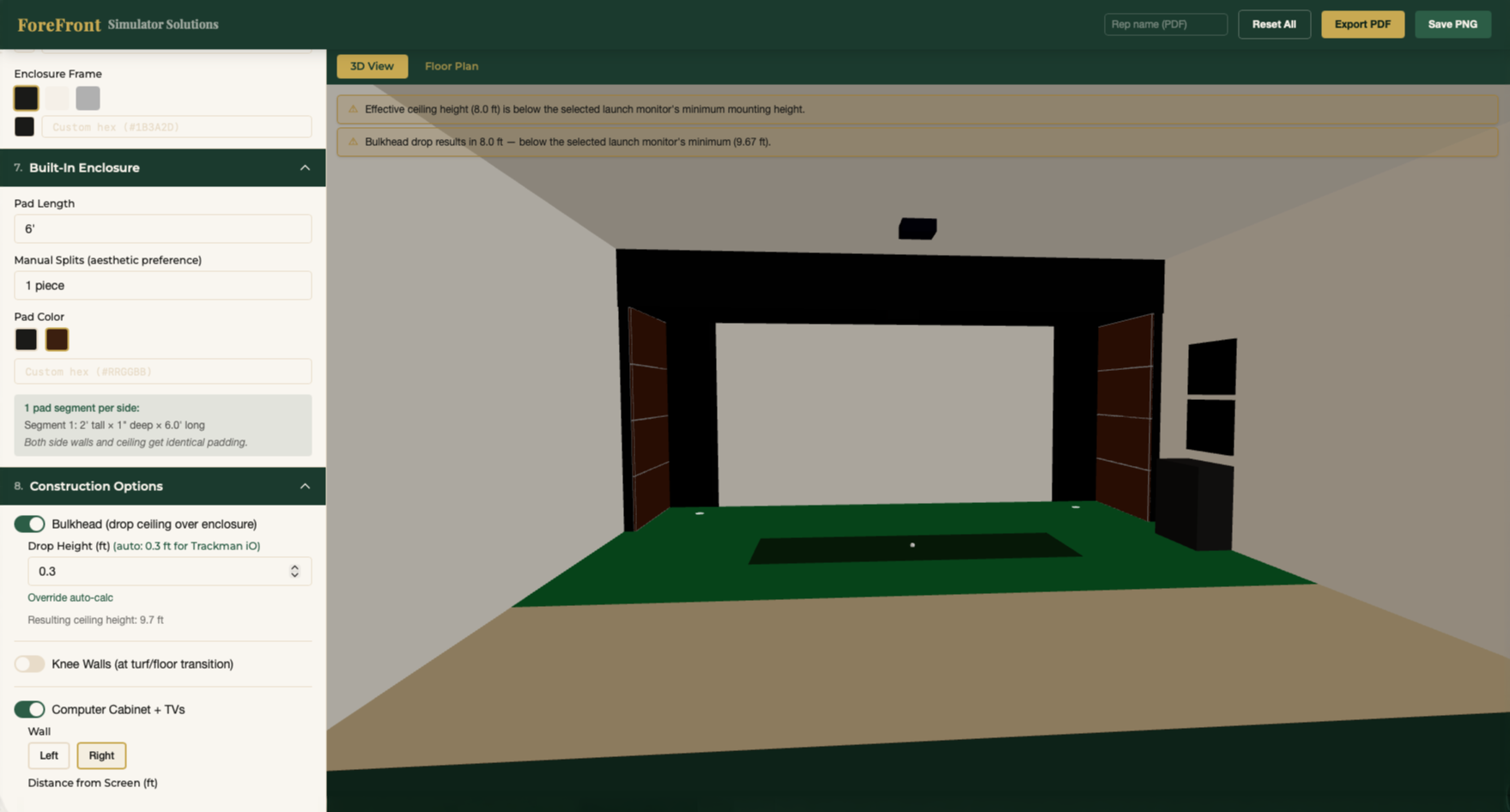
But, also, we typically always wanna include some design rendering in their space. They usually have a floor plan by that point that we’re involved. Making sure they understand, what is this really gonna look like and communicating it to them in a way in that proposal of how is it going to help drive the things that they want from this type of amenity., if it’s part of, with a GC or a larger builder, it’s gonna be a little more tactical in terms of not only, yes.
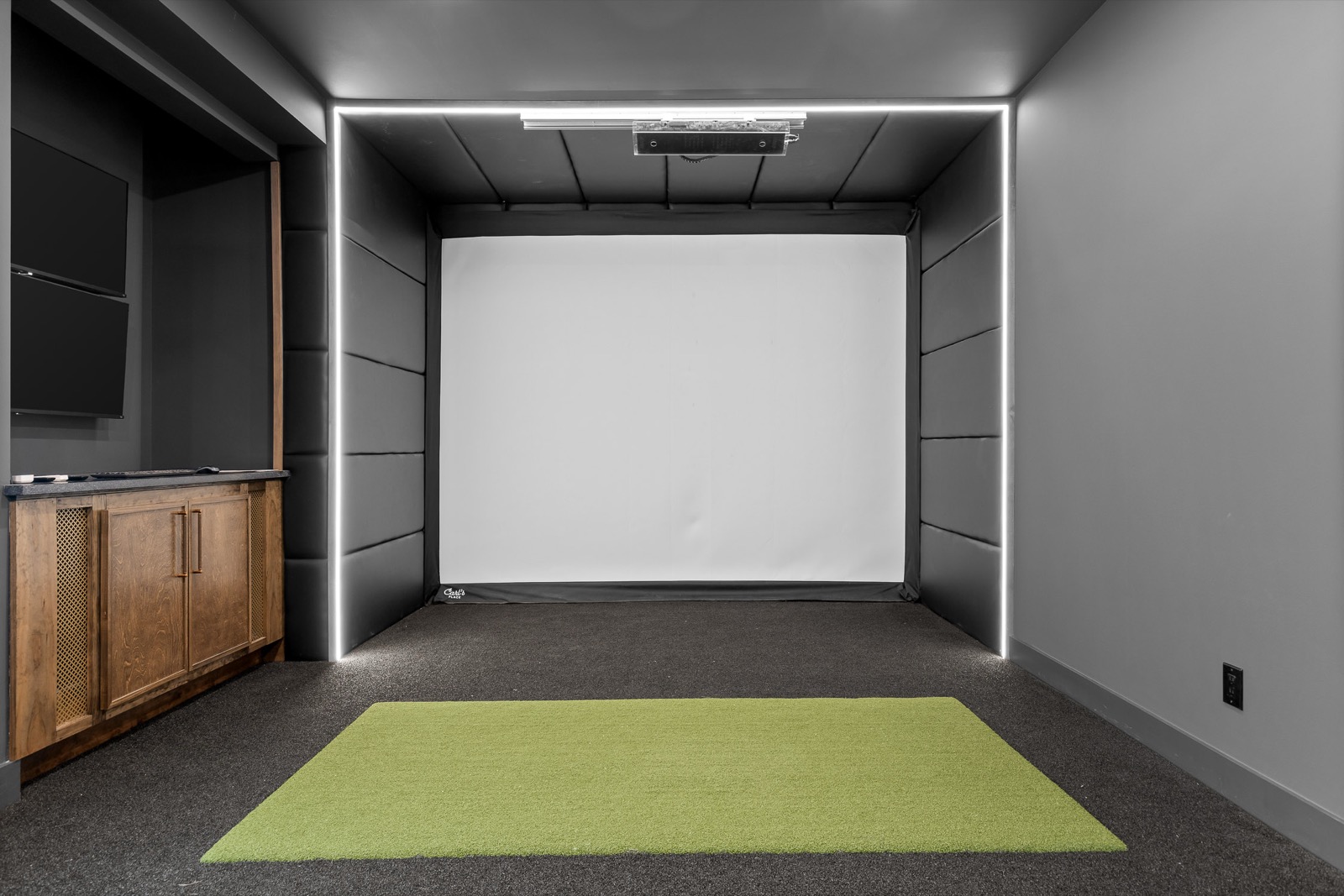
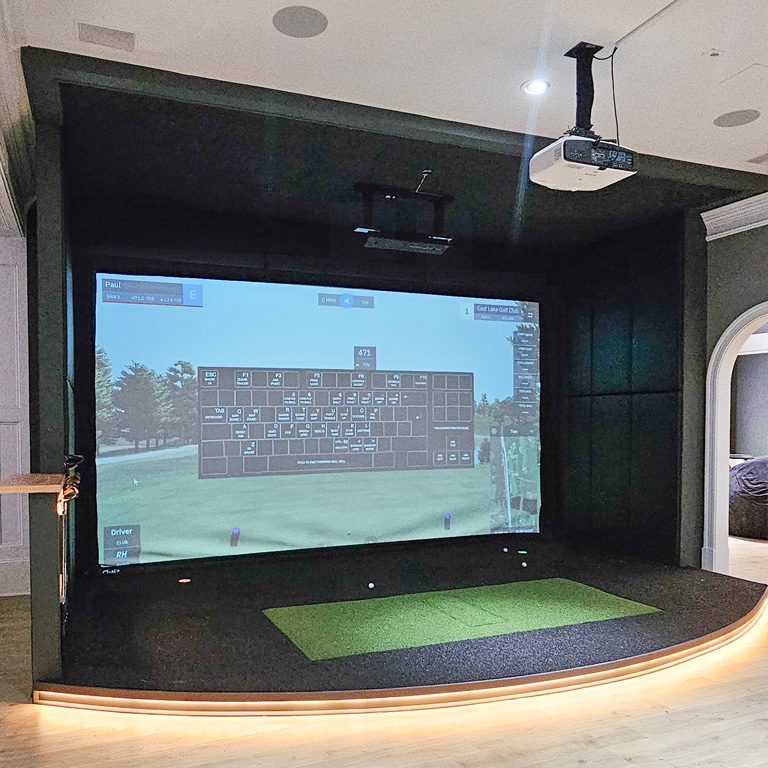
Tyler: Here’s exactly what we’re getting installed, but also exactly here’s what we’ll be doing versus what other trades we’ll be doing. It’s very clear to understand what’s included in that proposal, what’s included in that investment cost versus what the GC is also gonna have to cover with other existing trades like framing, drywall, paint, low voltage, electrical, so on and so forth., just maybe to summarize across all those groups, that turnkey proposal should really have, from our perspective, some form of design rendering of what that space is gonna look like in three d based on existing floor plans, maybe with some suggestions on the other design elements like furniture, wall treatments, those types of things.
It should have a clear understanding of, what’s the core summarized technology that’s gonna be used in this space, so type of, the launch monitors that’s gonna be used, the projector that’s gonna be leveraged.
Tyler: And then if there’s any key elements, maybe we want a more premium putting turf to be used because they want a higher stim speed, and that’s something that they’d ask for. Just being, understanding what are the key things, as part of the investment cost. And then the last thing I mentioned is also just, what’s being handled by the golf simulator installer versus other, either the GC or other trades that are typically also already involved in this. It’s very clear, and there’s not a misunderstanding between the golf simulator installer side or the owner or the GC of, what’s covered in this investment cost versus what’s something else that they would also have to cover as well. But, Cliff, feel free to add anything else in there.
Optimizing Commercial & Hospitality Golf Simulator Installations
Cliff: No. You’re you’re kinda really the kinda leading expert in that space. That clear the clarity of who owns what between architect, they may have an interior designer. We have a design team. We have a build team. They have a build team. ? Who’s owning what? The sequencing. It just becomes much more complex in a commercial setting like this. And getting that all on paper, Tyler’s done a wonderful job of building out some infrastructure to where we can really document that. At a really granular level, it’s very important because the last thing the client that’s commissioning the work wants is the golf simulator builder pointing at the GC and the and the, structure builder or the architect and confusion between those and one person thinking the other has that in their scope.
Cliff: And now all of a sudden, the estimate’s wrong because nobody had scoped in building some wall or structure running electrical. Getting that all clear and on paper is very important, and all the things tied to I I I was thinking this is implied, but I should probably just mention it explicitly as well too. But also just, so what does the lead time potentially look like to deliver this project?, fortunately, if it’s if it’s more new construction, usually, there’s plenty of lead time and it’s less of a challenge to align with a planned start date that’s that’s identified. But, again, depending on the mix of technologies, materials, things like that, we can go anywhere from a couple of weeks of lead time to, sixteen, eighteen weeks of lead time just depending on how long it’s gonna take to get all of that stuff or get the right parties involved, to deliver it., I think that’s something else from a turnkey proposal, especially in these commercial settings.
Cliff: We also do the same thing in residential when we talk about, a plant start date. But having some understanding for what’s the lead time needed to source everything if we don’t already have it in a warehouse, and make sure it’s available. And then also understanding, we as the golf simulator installers should also be communicating back to the GC what are all the things we need to have ready in order for us to be successful., having a golf simulator installed, when every when initial framing has been gone up, but nothing else is on the walls, paint hasn’t been done, electrical, climate control, HVAC hasn’t been installed, It’s usually a recipe for a bit of a disaster or, well, at least a less better outcome, versus doing it after many of those things have been done.
Cliff: It’s the icing on the cake. Yep. That’s something else on the proposal side of just along with who’s doing what, being very upfront about here’s what we expect and need of the facility where it needs to be at before it makes the most sense to have, a golf simulator, racing simulator, any of those things in the stall.
Tyler: Yep. It’s the it’s the aim and then shoot. Yeah. Don’t shoot and then it yep.
Stephen: Yeah. No. I think that a lot of this goes back to forethought, which a lot of that goes to experience, which I Yep. I’ll have a follow-up question in a second to that. But, yeah, the perspective on that, because I’ve seen way too many times in a lot of different aspects of construction where, when that forethought isn’t taken by one of the trades or one of the others, that difference in, in scope that maybe not in any person or any trade specifically their scope, the customer is usually the one left holding the bill. And so having that forethought and making sure of that on the front end, I think, is just a really, is a great way of doing business more than anything, but is a way to really care about your customers.
Stephen: Yep. I have one really, really quick question. We can kinda just touch on it because I think we’ve we’ve gone over a lot of aspects of it. And then I have one last question after that I think is a follow-up to a bunch of the things that we’ve mentioned today. First off, how should a golf simulator room be designed for both aesthetics as well as performance?
Tyler: I’ll I’ll take a stab at it., one of the things we haven’t really talked about, at least directly in this particular case is I’ll I’ll do in terms of both sound and safety. We haven’t talked a lot about padding in the enclosure, designing the sim so that when people are hitting balls into hitting an enclosure area, if they hit the walls, they hit the ceiling of the enclosure, that it’s it’s going to ideally deaden the ball and not necessarily cause it to ricochet around.
Same thing with handling the tensioning of the impact screen., you can tighten an impact screen very tightly, so it’s it’s as taut as it can be. But, that results in essentially a dramatic trampoline effect. Having somebody really close, they get a driver, that ball’s coming back to them, not at massive speeds, but those are against some considerations of, how do you how do you manage, from aesthetic perspective, manage the tautness of a screen?
Tyler: So it still looks great, amazing, but accounts for some of the safety and performance and the experience. Similarly, when we think about the walls in front and behind of the golfer, there we can both handle things like acoustics and sound dampening with putting, acoustic panels on wall, potentially, some wall carpeting type material. Those also help to protect the walls if there is the occasional shank or somebody’s hitting back further than where they typically should be. Those are just some I’m focusing a bit more on the aesthetics and performance as it relates to the overall safety experience. Again, there are these type of more corporate, amenity type situations. But, Cliff, you may have a different angle when you think about, aesthetics and performance, which is, for our whole design pieces.
Cliff: Yeah. I don’t think a different angle is just maybe raising me up a level of just, just like anything in life that there’s trade offs. Right? And aesthetics and performance at times can be competing interests. Right? So we try to find materials and setups that are both aesthetically pleasing and perform and are durable. And that’s where you should consider engaging an expert in this because you may make if you don’t know what you’re doing, if you haven’t done it a lot, if you haven’t made the mistakes, you may choose materials or designs that are very aesthetically pleasing but will be dangerous, won’t perform well, and will be durable., we have done a lot of work to figure out what are the right materials, what are the right designs so that it’s both.
Cliff: And if you’re just coming at this, and I’m gonna I’m just gonna figure it out, you don’t have those lessons learned to say, well, we can’t use this type of material, and here’s why. Because if one golf ball hits it, our pads are gonna explode. Or, we have customers that are like, I want the screen tighter. I want it to be flat, perfectly flat and smooth. I was like, well, we can do that. But now, like Tyler said, you’re gonna have a giant trampoline in front of you, and your ball’s gonna be coming back. You send it at a 150 miles an hour, it’s gonna come back at 80.
Cliff: We want it to go at a 150 miles an hour and drop on the floor at two miles an hour. Right? And so that’s that, they’re competing interest. Right? If you only focus on aesthetics, your performance isn’t gonna be good. And if you only focus on performance, your aesthetics aren’t gonna be good. We try to balance that out so those two things are, are both really, really good.
Tyler: Yeah. But it’s about it’s definitely a balancing act. And, Cliff, you made me think of something it’s a little bit of a variation of this question on aesthetics and performance, but, I would also blend in this concept of managing, especially when we think about materials and throughout that space, managing the economics, scalability of the materials, and finish. Again, if you’re gonna have this at maybe more than one corporate office or you’re doing multiple days or you’re you wanna do this in multiple resorts if you’re a large chain., same thing we do at residential. It’s one thing to, have finished carpenters or our crews come in and stain, hand stain millwork around a golf simulator. But to do that at scale, there may be some more economical ways with pre engineered already stained panels and wood that are much more economical and scalable and repeatable than doing something hand finished.
Tyler: That’s that, that’s fine if you’re doing it in one situation or, a smaller scale or as a one off. But when you’re trying to do it at scale, it’s something that takes more time, more labor, more effort, and more skill to get right. I think, just back to this idea of, again, having folks, like yourselves who have done a lot of these. We know a lot about the different types of materials. We’re always looking for new materials and new material providers, that can help recommend some form of, economical and scalable options if we need to, do this at scale and still get a similar type of look and feel and effect.
Stephen: Kinda going off of that one as well as a lot of the other ones, I have one last really, really quick question.
But, essentially, we’ve talked about commercial builds before, and we’ve talked about them much more in the realm of specifically, golf simulator businesses. Things that are a little bit more focused on maybe the more performance precision golfer, somebody who, maybe in those conversations when we were talking about performance, we might have been talking more about maybe AI, swing analysis or things like balance pads and things that might be able track more of the actual performance metrics in more of an athletic performance way rather than the performance of the machinery here, which I think is really, really interesting and it speaks to the differences in commercial aspects because almost if you were to read some of these questions, they’re almost identical questions, but in different contexts.
Stephen: They mean completely different things. The question that I have is, what do you think that the importance is, if any, in working with somebody who’s done specifically more in the, who’s done more of a specific hospitality resort, corporate amenity build out versus somebody who maybe has only done, more specifically, golf simulator business, golf simulator bays in a more golf performance manner. Do you think that there’s a difference? Do you think that there’s an importance to hiring somebody or working with somebody who has that experience, or do you think it’s all the same, in regards to somebody who’s hiring a vendor in this space? Tyler, again, think it’s part of your own. You can jump in. Give it shot.
Tyler: I, having some form of commercial experience is going to be beneficial. I would I would make the statement, obviously, if you’ve, working with somebody who’s got more of that experience doing it in hospitality is going to be a, a better scenario. But, typically, if you’re thinking about the transferability between somebody who’s doing a lot of work in commercial sim businesses, Especially with hospitality, there’s a lot of, to me, a lot of transferable experience. Specifically, in those commercial sim businesses, they’re also, gonna be focused on some aspects of food and beverage. They wanna be doing the same thing, driving occupancy in terms of bay occupancy, not necessarily in resort stay occupancy. They need to create a community of people who wanna come back or tell their friends to come to this place, bring more people in.
Tyler: And while the bay revenue can, typically keep the lights on, that addition of food and beverage is really what helps them to grow on top of it. I think, again, working with an installer who’s done a lot of work in the commercial Simbae business, will have a lot of transferable skills to go into the, take that same type of concept into a hospitality amenity concept where, people aren’t necessarily going just be, they’re not booking a time to go necessarily to the hotel just for the golf sim bay, but it is, as Cliff was alluding to and I was talking about earlier, it is a decision factor for them whether they want to stay at that location or not. Again, I think the mix of the from the construction side, having that experience just working in commercial settings, especially with typically larger builders, larger architects, versus maybe, a smaller owner operator type situation, that experience would be very valuable similar to what we’ve done even in, larger corporate office buildings with massive builders and, national architects., that will translate very well into working in the hospitality space, but same thing what I said with multi, multifamily corporate offices.
Tyler: And, it’s it’s the pieces that those folks, those installers, those design build firms have worked more in that space. The things they will know like us is, being more focused on the sound aspects of the what is the guest experience around it, what’s the living situation around it, and factoring all those pieces in. I’ve covered most of the main points, Cliff, but if you got anything else, feel free to throw it in there.
Cliff: Nothing to add. I think you covered it all.
Stephen: Awesome. Well, I knew I threw that one out at the end, but I I just I saw the pieces of it coming together. They’re they’re definitely an interesting question that everything else we’ve answered today alludes to, at least for me. That was everything I had for today. That we’ve had some really helpful and interesting answers here. I think that we’ll we’ll be back here soon again, obviously, with you guys, but thank you so much your time. If there’s anything specific you wanna add, now is your time. But, but I think we covered it all.
Cliff: Nope. Thanks for the time. It was fun.
Stephen: Thanks, guys.
Comparison at a glance
| Factor | Hotel/Resort | Corporate Office | Luxury Multifamily |
|---|---|---|---|
| Primary ROI metric | TRevPAR + occupancy | Employee retention + client hosting | Rent premium + tenant retention |
| Peak usage window | Evenings + group bookings | After 5 PM (noise conflicts 8-5) | 24/7 with keycard access |
| Access model | Staffed or booked | Employee-badge access | Autonomous keycard/app |
| F&B integration | Full bar + kitchen | Optional pour-your-own tap | iPad ordering to lobby |
| Convertible use | Group events | Team meetings, presentations | Movie room, gaming room |
| Factor | Over-Tensioned Screen | Properly Tensioned Screen |
|---|---|---|
| Aesthetic | Flat, taut, wrinkle-free | Slight give, still clean |
| Ball rebound from 150 mph shot | Returns at ~80 mph | Drops at ~2 mph |
| Safety in commercial setting | High rebound risk | Ball absorbed and dropped |
| Best fit | Photo-op showpieces only | All commercial hospitality bays |
Frequently Asked Questions
What design considerations elevate a home golf simulator beyond just a hitting bay?
To create a truly luxurious home golf simulator, consider the entire space as a holistic entertainment area. This includes integrating comfortable lounge seating, dedicated areas for guests who aren’t actively golfing, and perhaps even a bar or media center. The goal is to make the golf simulator room a desirable destination for family and friends, ensuring it’s not just a practice facility but a social hub that enhances the overall home experience.
What should a comprehensive turnkey golf simulator proposal include for affluent clients?
A robust turnkey golf simulator proposal should clearly outline all inclusions from the simulator provider, distinguish these from general contractor responsibilities (like framing, drywall, electrical, HVAC), and ideally feature 3D design renderings. It should also offer suggestions for complementary design elements such as furniture and wall treatments. This transparency ensures a clear understanding of the investment and the division of labor for your custom golf simulator installation.
How do lead times for custom golf simulator installations vary?
Lead times for a custom golf simulator installation can range from a couple of weeks to up to eighteen weeks. This variability depends heavily on the specific mix of technologies, materials, and custom components selected for the project. High-performance systems or bespoke finishes often require longer lead times for procurement and specialized fabrication.
What is the ideal stage of construction for installing a golf simulator in a new build or renovation?
For optimal results, a golf simulator installation should commence after the foundational construction elements are in place. This includes completed framing, drywall, paint, electrical, and HVAC systems. Attempting installation before these crucial components are finalized can lead to significant delays, complications, and a less polished final product for your luxury golf simulator room.
How does commercial golf simulator installation differ for hospitality or multi-family properties?
Commercial golf simulator installations for hospitality or multi-family properties often involve working with larger builders and architects, requiring an installer with experience in complex commercial settings. The focus shifts to creating an attractive amenity that can be a decision factor for guests or residents. Understanding the unique golf simulator room requirements for public access, durability, and integration into a broader amenity package is key to a successful project.